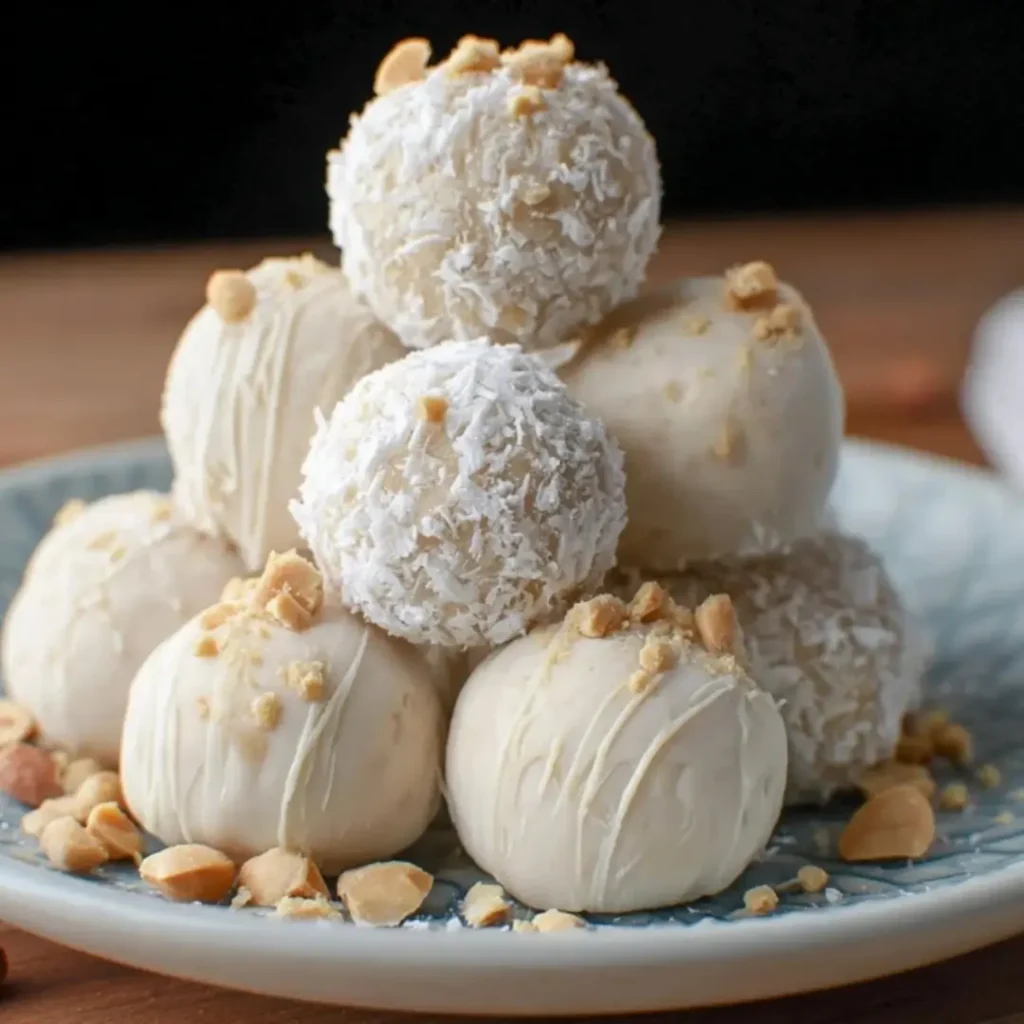
Peanut butter snowballs bring instant comfort, especially when the kitchen feels busy and noisy around the holidays. This article walks you through everything you need to know about peanut butter snowballs, from their story and origins to what makes them so loved across generations. You’ll learn why these bite-sized treats stay popular, how they differ from other no-bake desserts, and what details truly matter when making them at home. If peanut butter snowballs remind you of family trays, powdered sugar fingers, and simple joy, you’re in the right place.
PART 1: Peanut Butter Snowballs Basics and Origins
Peanut butter snowballs always take me back to my childhood kitchen, where December meant flour-dusted counters and a little chaos before guests arrived. My mom made them every year without fail. She never measured perfectly, yet the peanut butter snowballs always tasted the same. That memory sticks with me, and it’s why I still turn to this recipe when I want something familiar and comforting. Peanut butter snowballs didn’t arrive with fancy techniques. Home cooks shared them because they worked every time.
Why Peanut Butter Snowballs Became a Holiday Favorite
Peanut butter snowballs earned their place on dessert tables because they fit busy schedules. You don’t need an oven, and cleanup stays simple. Families loved how kids could help roll each piece, which turned baking days into shared moments. Peanut butter snowballs also store well, making them perfect alongside other make-ahead treats like chocolate fudge or classic no-bake cookies you’ll find across easymealstodo.com dessert ideas. Their soft center and sweet coating balance rich flavors without feeling heavy, so guests always reach for more.
What Makes Peanut Butter Snowballs Different From Other No-Bake Treats
Peanut butter snowballs stand apart because texture comes first. Unlike dense bars or sticky clusters, these treats stay light and smooth. The powdered sugar coating creates contrast without overpowering the peanut butter base. Buckeyes use chocolate for drama, while truffles lean rich. Peanut butter snowballs stay simple and approachable, which explains their staying power. If you enjoy easy sweets like no-bake oatmeal cookies or quick holiday candy recipes featured on easymealstodo.com, peanut butter snowballs fit right into that rhythm with zero stress and dependable results.
PART 2: Ingredients and Flavor Choices for Peanut Butter Snowballs
Every batch of peanut butter snowballs starts with simple pantry staples, yet each one plays a specific role. I learned early on that swapping even one ingredient can change the final texture. When I rushed through ingredient choices, my peanut butter snowballs felt either too dry or too soft. Once I paid attention to balance, the results stayed consistent. Peanut butter snowballs reward careful selection more than complicated steps.
Core Ingredients That Shape Peanut Butter Snowballs
Peanut butter sets the foundation, so the type matters. Creamy peanut butter creates smooth peanut butter snowballs that roll easily and hold their shape. Natural peanut butter often separates, which can cause crumbly results unless you adjust sugar levels. Butter adds richness and helps everything bind together. Powdered sugar thickens the mixture while adding sweetness without grit. Vanilla rounds out the flavor and keeps the peanut butter from tasting flat. Many home cooks compare this base to easy dessert doughs like no-bake cheesecake bites or peanut butter bars found across easymealstodo.com because the balance stays familiar and forgiving.
Optional Add-Ins and Coatings That Change the Experience
Once the base comes together, peanut butter snowballs invite creativity. Some families roll them in powdered sugar for a classic look, while others dip them in melted chocolate for extra richness. Crushed peanuts add crunch, while shredded coconut adds softness and contrast. Holiday sprinkles bring color without changing flavor. Each option shifts the experience slightly, yet the heart of peanut butter snowballs remains unchanged. If you enjoy customizing treats like holiday fudge or chocolate truffles featured on easymealstodo.com, these small changes let you tailor peanut butter snowballs to any gathering without complicating the process.
PART 3: Step-by-Step Method for Peanut Butter Snowballs
Making peanut butter snowballs always feels calming to me because the process stays simple and predictable. Once everything sits on the counter, the steps flow naturally. I often make these during busy afternoons because I can pause and come back without worry. Peanut butter snowballs don’t demand speed. They reward patience and gentle handling, which makes them perfect for relaxed holiday prep.
Mixing and Shaping Peanut Butter Snowballs the Right Way
Start by creaming the butter and peanut butter until smooth. This step sets the tone for every peanut butter snowball you shape. Add vanilla next, then slowly mix in powdered sugar to control thickness. The dough should feel soft but not sticky. If it clings to your hands, chill it briefly. Scoop small portions and roll them between your palms using light pressure. Consistent sizing helps peanut butter snowballs set evenly, similar to shaping no-bake cookie dough or dessert bites found across easymealstodo.com collections.
Chilling, Coating, and Setting for Best Results
Once shaped, chill the peanut butter snowballs to firm them before coating. Cold centers hold together better during rolling or dipping. If you use powdered sugar, roll gently to keep the surface smooth. If you choose chocolate, let it cool slightly before dipping to avoid melting the centers. Place finished peanut butter snowballs on parchment paper and let them set fully before stacking. These steps mirror the care used in easy treats like chocolate-covered pretzels or holiday bark shared on easymealstodo.com, where temperature control makes all the difference.
Peanut butter snowballs work so well because they fit real-life schedules. I often make them days before guests arrive, which takes pressure off busy weeks. Knowing how to store and serve peanut butter snowballs properly keeps their texture just right. With a little planning, they stay soft, sweet, and ready whenever you need them.
How to Store Peanut Butter Snowballs Safely
After setting, store peanut butter snowballs in an airtight container to protect their shape and coating. Keep layers separated with parchment paper to prevent sticking. In the refrigerator, peanut butter snowballs stay fresh for up to one week without losing softness. For longer storage, freezing works well. Place them in freezer-safe containers and thaw slowly in the fridge before serving. This approach mirrors storage methods used for make-ahead desserts like holiday fudge or dessert bars you’ll see across easymealstodo.com, where structure and moisture matter most.
When and How to Serve Peanut Butter Snowballs
Serve peanut butter snowballs chilled or at cool room temperature for the best bite. Arrange them on platters with other no-bake treats to create balance without overwhelming guests. They also work beautifully as edible gifts, packed in small boxes or jars with parchment lining. Portion size matters, so keep them bite-sized to encourage sharing. If you enjoy building dessert trays with cookies, truffles, and candy featured on easymealstodo.com, peanut butter snowballs naturally round out the spread with familiar flavor and dependable appeal.
AQ Section
Can peanut butter snowballs be made ahead of time?
Yes, peanut butter snowballs work very well as a make-ahead dessert. You can prepare them several days in advance and store them in the refrigerator in an airtight container. This approach helps flavors settle and saves time during busy weeks, especially around holidays.
Do peanut butter snowballs need refrigeration?
Peanut butter snowballs don’t require refrigeration for short periods, but chilling helps them hold shape and texture. For best results, store them in the refrigerator and let them sit out briefly before serving.
Why are my peanut butter snowballs too soft or crumbly?
Soft peanut butter snowballs usually need more powdered sugar or chilling time. Crumbly ones often come from dry peanut butter or too much sugar. Adjust gradually and test texture as you mix.
Can peanut butter snowballs be frozen?
Yes, peanut butter snowballs freeze well. Place them in freezer-safe containers with parchment between layers. Thaw them slowly in the refrigerator before serving to keep texture smooth.
Conclusion
Peanut butter snowballs continue to earn their place on dessert tables because they stay simple, reliable, and comforting. From quick prep to flexible storage, they fit real kitchens and busy schedules. Whether you coat them in powdered sugar or dip them in chocolate, peanut butter snowballs bring familiar flavor without stress. I still make them the same way my family did, and they never last long. If you want a no-bake treat that feels homemade every time, peanut butter snowballs always deliver.